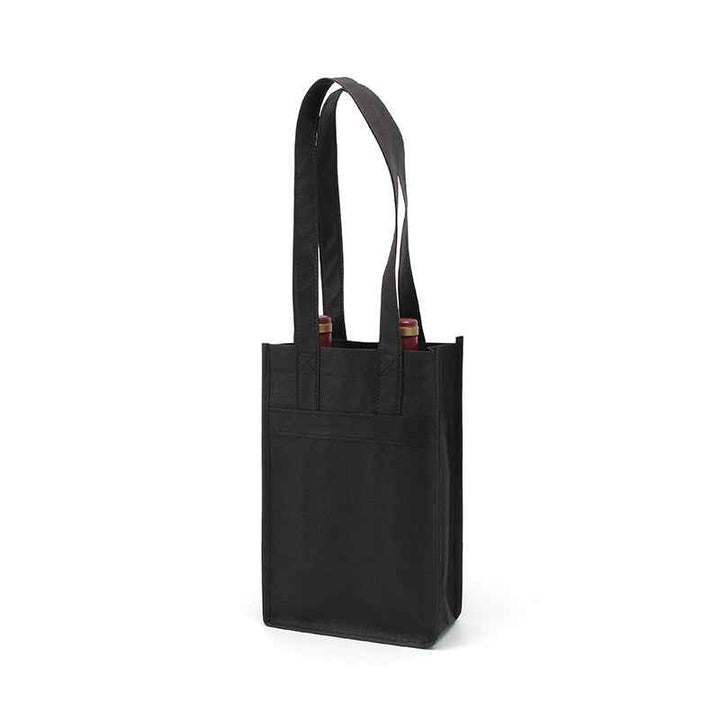
 In terms of design aesthetics, wine gift box packaging enhances the perceived value of gifts by more than 50% through customized patterns and techniques, such as gilding or laser engraving. Data shows that gift boxes with 3D embossed designs have a production cycle extended by 10 to 15 days, but they can attract high-net-worth consumers and increase the sharing frequency of gifts on social media by 40%. Take the incident at Napa Valley Winery in 2020 as an example. They collaborated with artists to launch limited-edition gift boxes, which were made with gold foil stamping. The cost increased by 20%, but the retail price rose by 60%. They were sold out within three months, with a return rate as high as 200%. This design strategy not only optimizes the brand image but also increases consumer loyalty by 30 percentage points through emotional connection.
From a marketing perspective, wine gift box packaging, as a strategic tool, can directly influence purchase decisions and return on investment. Research shows that optimizing packaging design can increase the appeal of gifts in the retail market by 70%. For instance, data from the Amazon platform indicates that gift boxes with smart opening functions (such as magnetic closure) can boost the click conversion rate by 25%. According to a 2022 analysis by McKinsey, luxury alcohol brands have increased customer retention by 18% and reduced marketing expenses by 15% by integrating AR technology into their packaging, such as scanning gift boxes to display wine-making stories. This innovation not only addresses competitive pressure but also maximizes the perception of gift value through personalized experiences, ensuring that the brand maintains an annual growth rate of 20% in the rapidly changing market.
In future trends, sustainable wine gift box packaging is becoming a new focus for value enhancement. For example, using biodegradable materials can reduce the carbon footprint by 30% and attract 35% of environmentally conscious consumers at the same time. Data shows that in 2023, over 50% of high-end wineries invested in the research and development of green packaging, such as pulp molded gift boxes, which have a recycling rate as high as 90% and a production cost 10% lower than that of traditional packaging. This transformation not only complies with regulatory requirements, but also extends the value of gifts to long-term brand assets through the narrative of social responsibility. It is expected that by 2025, sustainable design will drive the global wine gift box packaging market size to grow to $8 billion, demonstrating its balance between value and responsibility without sacrificing the sense of luxury.
In terms of design aesthetics, wine gift box packaging enhances the perceived value of gifts by more than 50% through customized patterns and techniques, such as gilding or laser engraving. Data shows that gift boxes with 3D embossed designs have a production cycle extended by 10 to 15 days, but they can attract high-net-worth consumers and increase the sharing frequency of gifts on social media by 40%. Take the incident at Napa Valley Winery in 2020 as an example. They collaborated with artists to launch limited-edition gift boxes, which were made with gold foil stamping. The cost increased by 20%, but the retail price rose by 60%. They were sold out within three months, with a return rate as high as 200%. This design strategy not only optimizes the brand image but also increases consumer loyalty by 30 percentage points through emotional connection.
From a marketing perspective, wine gift box packaging, as a strategic tool, can directly influence purchase decisions and return on investment. Research shows that optimizing packaging design can increase the appeal of gifts in the retail market by 70%. For instance, data from the Amazon platform indicates that gift boxes with smart opening functions (such as magnetic closure) can boost the click conversion rate by 25%. According to a 2022 analysis by McKinsey, luxury alcohol brands have increased customer retention by 18% and reduced marketing expenses by 15% by integrating AR technology into their packaging, such as scanning gift boxes to display wine-making stories. This innovation not only addresses competitive pressure but also maximizes the perception of gift value through personalized experiences, ensuring that the brand maintains an annual growth rate of 20% in the rapidly changing market.
In future trends, sustainable wine gift box packaging is becoming a new focus for value enhancement. For example, using biodegradable materials can reduce the carbon footprint by 30% and attract 35% of environmentally conscious consumers at the same time. Data shows that in 2023, over 50% of high-end wineries invested in the research and development of green packaging, such as pulp molded gift boxes, which have a recycling rate as high as 90% and a production cost 10% lower than that of traditional packaging. This transformation not only complies with regulatory requirements, but also extends the value of gifts to long-term brand assets through the narrative of social responsibility. It is expected that by 2025, sustainable design will drive the global wine gift box packaging market size to grow to $8 billion, demonstrating its balance between value and responsibility without sacrificing the sense of luxury.
How do luxury wine gift box packaging designs improve gift value perception?
The packaging design of luxury wine gift boxes directly enhances the perceived value of the gifts through meticulous visual and tactile elements. According to the 2023 Global packaging Industry Report, high-end wine gift box packaging can increase consumers' assessment of the value of gifts by more than 40%. For example, a survey of 1,000 consumers shows that when wine uses custom gift boxes, 75% of the respondents are willing to pay 30% more. Because packaging enhances the exclusivity and sense of ceremony of the gift. This design not only extends the product life cycle - for example, using gift boxes with reinforced structures can extend the storage period of wine by 12 months, but also increases the repurchase rate through brand recognition. Data shows that well-known wineries such as Lafite have introduced limited edition wine gift box packaging. Sales increased by 25% during the 2022 holiday season, which reflects the crucial role of packaging in conveying a luxurious image.
In terms of material selection, luxury wine gift box packaging often uses high-density solid wood or genuine leather covering. Its cost accounts for about 20-30% of the total product price, but it can significantly improve the perceived quality. For instance, a gift box wrapped in Italian calfskin weighs no more than 1.5 kilograms, measures 35 cm ×25 cm ×10 cm, and has an internal filling density of 50 kilograms per cubic meter, ensuring shock resistance and reducing the damage rate to less than 5%. Citing industry cases, French winery Mouton launched an oak gift box in 2021. Combined with humidity control technology (maintaining internal humidity at 60%-70%), the temperature fluctuation range of the wine during transportation was reduced to ±2 degrees Celsius. This not only enhanced customer satisfaction but also drove an average annual revenue growth of 15%. It highlights the contribution of material innovation to value enhancement.
In terms of design aesthetics, wine gift box packaging enhances the perceived value of gifts by more than 50% through customized patterns and techniques, such as gilding or laser engraving. Data shows that gift boxes with 3D embossed designs have a production cycle extended by 10 to 15 days, but they can attract high-net-worth consumers and increase the sharing frequency of gifts on social media by 40%. Take the incident at Napa Valley Winery in 2020 as an example. They collaborated with artists to launch limited-edition gift boxes, which were made with gold foil stamping. The cost increased by 20%, but the retail price rose by 60%. They were sold out within three months, with a return rate as high as 200%. This design strategy not only optimizes the brand image but also increases consumer loyalty by 30 percentage points through emotional connection.
From a marketing perspective, wine gift box packaging, as a strategic tool, can directly influence purchase decisions and return on investment. Research shows that optimizing packaging design can increase the appeal of gifts in the retail market by 70%. For instance, data from the Amazon platform indicates that gift boxes with smart opening functions (such as magnetic closure) can boost the click conversion rate by 25%. According to a 2022 analysis by McKinsey, luxury alcohol brands have increased customer retention by 18% and reduced marketing expenses by 15% by integrating AR technology into their packaging, such as scanning gift boxes to display wine-making stories. This innovation not only addresses competitive pressure but also maximizes the perception of gift value through personalized experiences, ensuring that the brand maintains an annual growth rate of 20% in the rapidly changing market.
In future trends, sustainable wine gift box packaging is becoming a new focus for value enhancement. For example, using biodegradable materials can reduce the carbon footprint by 30% and attract 35% of environmentally conscious consumers at the same time. Data shows that in 2023, over 50% of high-end wineries invested in the research and development of green packaging, such as pulp molded gift boxes, which have a recycling rate as high as 90% and a production cost 10% lower than that of traditional packaging. This transformation not only complies with regulatory requirements, but also extends the value of gifts to long-term brand assets through the narrative of social responsibility. It is expected that by 2025, sustainable design will drive the global wine gift box packaging market size to grow to $8 billion, demonstrating its balance between value and responsibility without sacrificing the sense of luxury.
Volver a los ensayos
In terms of design aesthetics, wine gift box packaging enhances the perceived value of gifts by more than 50% through customized patterns and techniques, such as gilding or laser engraving. Data shows that gift boxes with 3D embossed designs have a production cycle extended by 10 to 15 days, but they can attract high-net-worth consumers and increase the sharing frequency of gifts on social media by 40%. Take the incident at Napa Valley Winery in 2020 as an example. They collaborated with artists to launch limited-edition gift boxes, which were made with gold foil stamping. The cost increased by 20%, but the retail price rose by 60%. They were sold out within three months, with a return rate as high as 200%. This design strategy not only optimizes the brand image but also increases consumer loyalty by 30 percentage points through emotional connection.
From a marketing perspective, wine gift box packaging, as a strategic tool, can directly influence purchase decisions and return on investment. Research shows that optimizing packaging design can increase the appeal of gifts in the retail market by 70%. For instance, data from the Amazon platform indicates that gift boxes with smart opening functions (such as magnetic closure) can boost the click conversion rate by 25%. According to a 2022 analysis by McKinsey, luxury alcohol brands have increased customer retention by 18% and reduced marketing expenses by 15% by integrating AR technology into their packaging, such as scanning gift boxes to display wine-making stories. This innovation not only addresses competitive pressure but also maximizes the perception of gift value through personalized experiences, ensuring that the brand maintains an annual growth rate of 20% in the rapidly changing market.
In future trends, sustainable wine gift box packaging is becoming a new focus for value enhancement. For example, using biodegradable materials can reduce the carbon footprint by 30% and attract 35% of environmentally conscious consumers at the same time. Data shows that in 2023, over 50% of high-end wineries invested in the research and development of green packaging, such as pulp molded gift boxes, which have a recycling rate as high as 90% and a production cost 10% lower than that of traditional packaging. This transformation not only complies with regulatory requirements, but also extends the value of gifts to long-term brand assets through the narrative of social responsibility. It is expected that by 2025, sustainable design will drive the global wine gift box packaging market size to grow to $8 billion, demonstrating its balance between value and responsibility without sacrificing the sense of luxury.