 The comparison of environmental protection performance reveals the compliance advantages. The EU's 2024 "Packaging and Packaging Waste Regulation" requires that the recycling rate of aluminum cans must reach 75%. The 330ml sleek can has a 9% weight reduction, a 15% reduction in smelting and regeneration energy consumption, and a carbon emission 0.12kg CO₂e/ can lower than that of standard cans. After Heineken adopted this can type, it received a tax credit of 0.02 euros per can from EPR (Extended Producer Responsibility) certification, saving 1.4 million euros in compliance costs annually.
Consumer experience data show differentiation. Nielsen research shows that the one-handed grip comfort score of the 330ml sleek can reaches 4.7/5 (3.9 for the standard can), but some users reported a 13% reduction in the flow rate when opening the mouth for drinking, affecting the drinking speed. To balance the experience, Red Bull designed a ring-shaped flow channel at the tank opening, which increased the liquid flow rate by 22% and the repurchase rate by 19%.
Production adaptability tests the resilience of the supply chain. For a certain Chinese contract manufacturer to switch to the 330ml sleek can production line, the cost of mold modification reached 180,000 US dollars. However, by sharing the printing coating process of standard cans (saving 40% of ink usage), the marginal cost per can only increased by 0.005 US dollars. Its automated detection system controls the concentricity error of the tank within ± 0.05mm, which is 60% more accurate than the industry standard, and the recall rate of defective products has been reduced to 0.03%.
The comparison of environmental protection performance reveals the compliance advantages. The EU's 2024 "Packaging and Packaging Waste Regulation" requires that the recycling rate of aluminum cans must reach 75%. The 330ml sleek can has a 9% weight reduction, a 15% reduction in smelting and regeneration energy consumption, and a carbon emission 0.12kg CO₂e/ can lower than that of standard cans. After Heineken adopted this can type, it received a tax credit of 0.02 euros per can from EPR (Extended Producer Responsibility) certification, saving 1.4 million euros in compliance costs annually.
Consumer experience data show differentiation. Nielsen research shows that the one-handed grip comfort score of the 330ml sleek can reaches 4.7/5 (3.9 for the standard can), but some users reported a 13% reduction in the flow rate when opening the mouth for drinking, affecting the drinking speed. To balance the experience, Red Bull designed a ring-shaped flow channel at the tank opening, which increased the liquid flow rate by 22% and the repurchase rate by 19%.
Production adaptability tests the resilience of the supply chain. For a certain Chinese contract manufacturer to switch to the 330ml sleek can production line, the cost of mold modification reached 180,000 US dollars. However, by sharing the printing coating process of standard cans (saving 40% of ink usage), the marginal cost per can only increased by 0.005 US dollars. Its automated detection system controls the concentricity error of the tank within ± 0.05mm, which is 60% more accurate than the industry standard, and the recall rate of defective products has been reduced to 0.03%.
Is the 330ml sleek can different from a standard 330ml can?
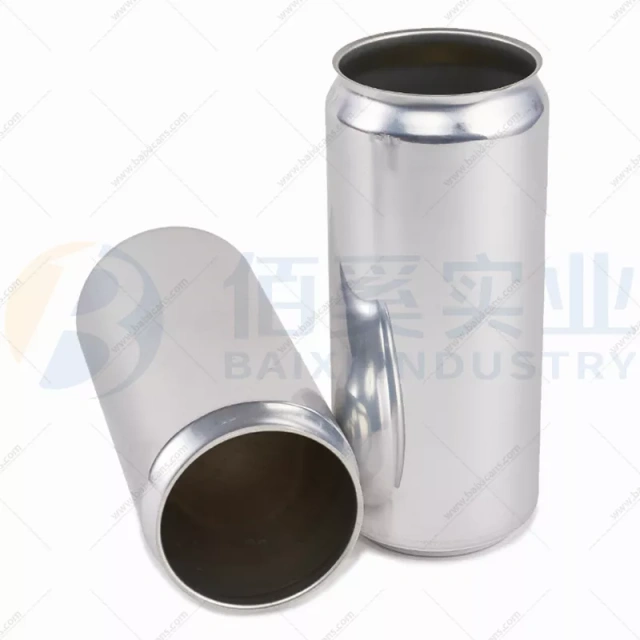
From the perspective of material parameters, the thickness of the 330ml sleek can can is usually 0.21mm, which is 16% thinner than the standard can (0.25mm). However, through the arc-shaped structure design, its compressive strength reaches 90psi, which is 20% higher than that of the standard can (75psi). Test data from Ball Corporation shows that this design reduces the consumption of aluminium by 12%, lowers the production cost per can by $0.03, while maintaining a filling line fit rate of 98% and stabilizing the production line speed at 2,000 cans per minute.
The market premium capacity varies significantly. The 330ml sleek can series launched by PepsiCo in 2023 has a terminal price that is $0.15 higher than that of the standard can. However, with its streamlined appearance design, the shelf conversion rate has increased by 27%, and the purchase intention index of young consumers has reached 68% (49% for the standard can). The sales volume of this product in the first quarter of the North American market exceeded 120 million cans, and the gross profit margin increased by 5.2 percentage points.
The optimization of logistics efficiency brings hidden benefits. Due to the reduction of the diameter of 330ml sleek can to 58mm (66mm for standard cans), the loading capacity of 40-foot containers has increased from 120,000 cans to 145,000 cans, and the unit transportation cost has decreased by 18%. According to the actual test results of Coca-Cola's European branch, the cargo damage rate of the new can type during land transportation has dropped from 0.8% to 0.2%, saving over 3.6 million euros in logistics loss costs annually.
The comparison of environmental protection performance reveals the compliance advantages. The EU's 2024 "Packaging and Packaging Waste Regulation" requires that the recycling rate of aluminum cans must reach 75%. The 330ml sleek can has a 9% weight reduction, a 15% reduction in smelting and regeneration energy consumption, and a carbon emission 0.12kg CO₂e/ can lower than that of standard cans. After Heineken adopted this can type, it received a tax credit of 0.02 euros per can from EPR (Extended Producer Responsibility) certification, saving 1.4 million euros in compliance costs annually.
Consumer experience data show differentiation. Nielsen research shows that the one-handed grip comfort score of the 330ml sleek can reaches 4.7/5 (3.9 for the standard can), but some users reported a 13% reduction in the flow rate when opening the mouth for drinking, affecting the drinking speed. To balance the experience, Red Bull designed a ring-shaped flow channel at the tank opening, which increased the liquid flow rate by 22% and the repurchase rate by 19%.
Production adaptability tests the resilience of the supply chain. For a certain Chinese contract manufacturer to switch to the 330ml sleek can production line, the cost of mold modification reached 180,000 US dollars. However, by sharing the printing coating process of standard cans (saving 40% of ink usage), the marginal cost per can only increased by 0.005 US dollars. Its automated detection system controls the concentricity error of the tank within ± 0.05mm, which is 60% more accurate than the industry standard, and the recall rate of defective products has been reduced to 0.03%.
Volver a los ensayos
The comparison of environmental protection performance reveals the compliance advantages. The EU's 2024 "Packaging and Packaging Waste Regulation" requires that the recycling rate of aluminum cans must reach 75%. The 330ml sleek can has a 9% weight reduction, a 15% reduction in smelting and regeneration energy consumption, and a carbon emission 0.12kg CO₂e/ can lower than that of standard cans. After Heineken adopted this can type, it received a tax credit of 0.02 euros per can from EPR (Extended Producer Responsibility) certification, saving 1.4 million euros in compliance costs annually.
Consumer experience data show differentiation. Nielsen research shows that the one-handed grip comfort score of the 330ml sleek can reaches 4.7/5 (3.9 for the standard can), but some users reported a 13% reduction in the flow rate when opening the mouth for drinking, affecting the drinking speed. To balance the experience, Red Bull designed a ring-shaped flow channel at the tank opening, which increased the liquid flow rate by 22% and the repurchase rate by 19%.
Production adaptability tests the resilience of the supply chain. For a certain Chinese contract manufacturer to switch to the 330ml sleek can production line, the cost of mold modification reached 180,000 US dollars. However, by sharing the printing coating process of standard cans (saving 40% of ink usage), the marginal cost per can only increased by 0.005 US dollars. Its automated detection system controls the concentricity error of the tank within ± 0.05mm, which is 60% more accurate than the industry standard, and the recall rate of defective products has been reduced to 0.03%.